Irving's Firefighting Water Damage Specialists
Drying plans for water left after fire response
Fire hoses stop flames, but trapped water can start a second damage cycle.
Irving's Firefighting Water Damage Specialists
Fire hoses stop flames, but trapped water can start a second damage cycle.
Firefighters may use hundreds or thousands of gallons of water to stop a structure fire. That water can run under flooring, soak cabinets, pool inside wall cavities, and settle below carpet pads. In Irving's older slab-on-grade homes, water can hide under baseboards and behind patched walls long after the visible puddles are gone.
The drying plan should start as soon as the property is safe to enter. Contractors use extraction equipment, air movers, dehumidifiers, moisture meters, and sometimes controlled demolition to remove wet materials before mold starts. They also need to separate clean water exposure from contaminated debris water that picked up ash, insulation, or fire residue.
Winter Storm Uri taught many Irving homeowners how fast wet materials can create insurance and repair problems. Firefighting water creates the same pressure, with the added problem of smoke residue and damaged power. Drying decisions need to account for charred materials, electrical safety, and contents that may need inventory before disposal.
Irving Fire Damage Restoration connects you with contractors who can dry the structure, document moisture, and coordinate water mitigation with smoke cleanup and fire repair.
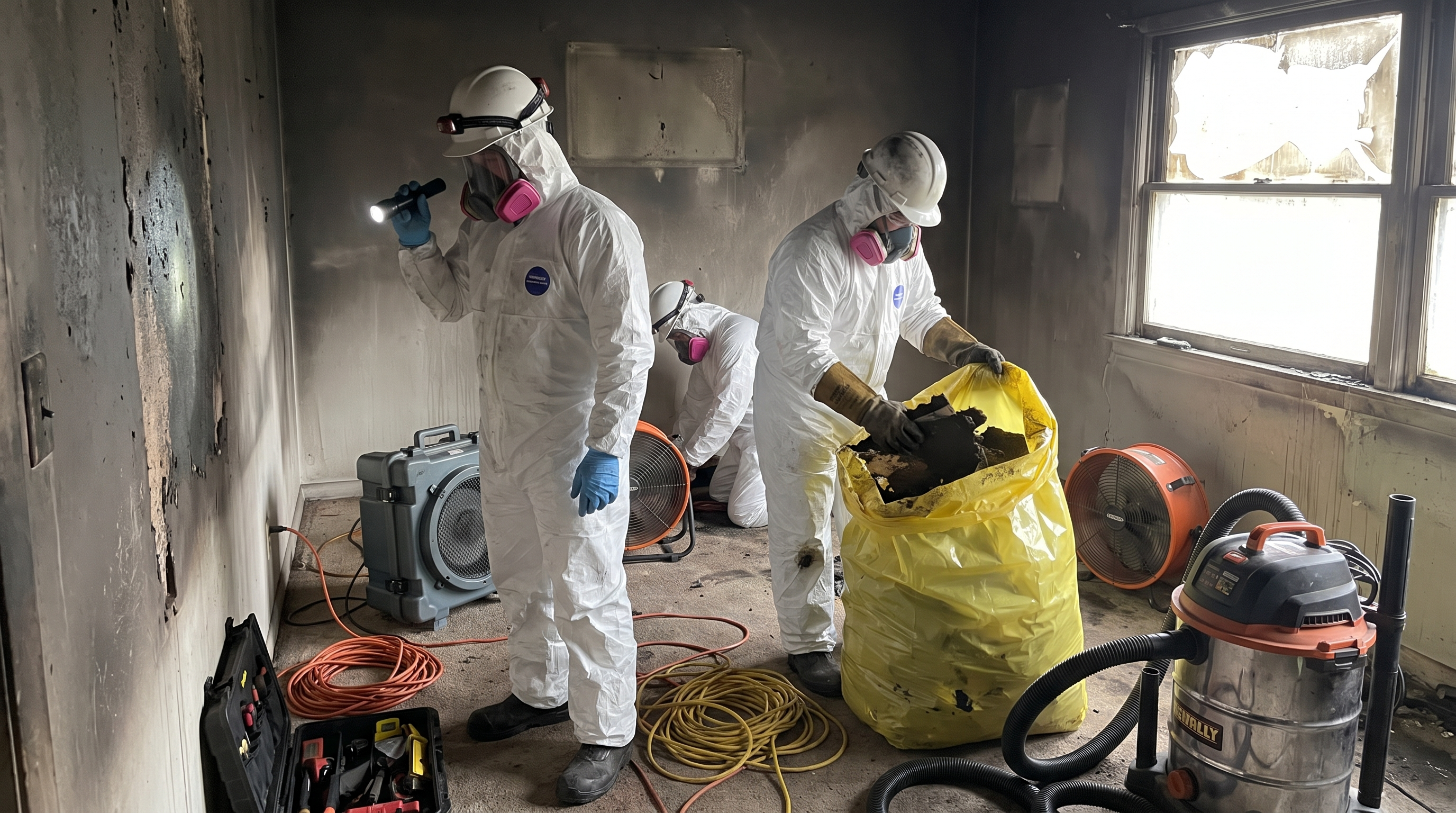
Firefighting water mitigation focuses on extraction, moisture mapping, drying, and removal of materials that cannot be saved. Contractors should document each step for the claim file.
Crews remove standing water, wet debris, and saturated loose materials after the structure is cleared. They protect salvageable contents and separate items that need inventory before disposal.
Technicians use meters and thermal imaging where appropriate to find water behind walls, under floors, and inside cabinets. The map tells the crew where drying equipment belongs.
Air movers and dehumidifiers pull moisture out of framing, drywall, subfloors, and insulation cavities. Crews track readings until the materials reach acceptable levels or get removed.
Fire damage and water damage share the same rooms but need different equipment. We connect you with contractors who dry the structure while protecting the smoke cleanup and insurance documentation.
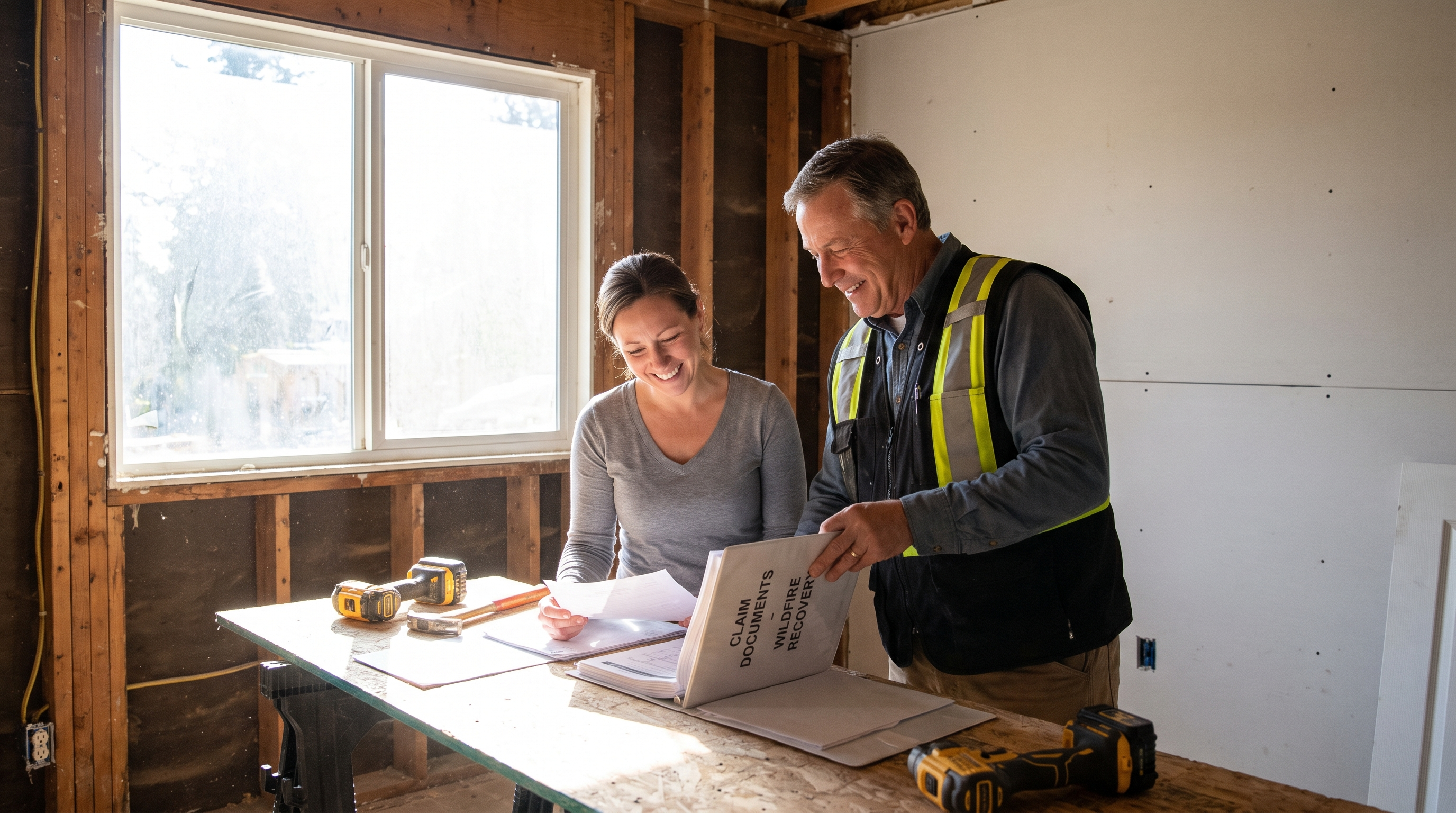
Adjusters need proof of what was wet, what dried, and what had to be removed. Moisture logs make the drying process easier to explain and harder to dismiss.
Start drying before trapped water turns into mold or rot.
Free — no obligations
The contractor confirms entry is safe, checks electrical hazards, and identifies where water traveled during suppression.
Crews extract water, remove soaked debris, and protect contents that may need inventory.
Air movers, dehumidifiers, and containment are placed based on moisture readings and room conditions.
Technicians track drying progress, adjust equipment, and document materials that dry or require removal.