Irving's Board-Up & Tarping Specialists
Secure fire-damaged property before weather gets in
Broken windows, roof openings, and damaged doors need protection as soon as the scene is cleared.
Irving's Board-Up & Tarping Specialists
Broken windows, roof openings, and damaged doors need protection as soon as the scene is cleared.
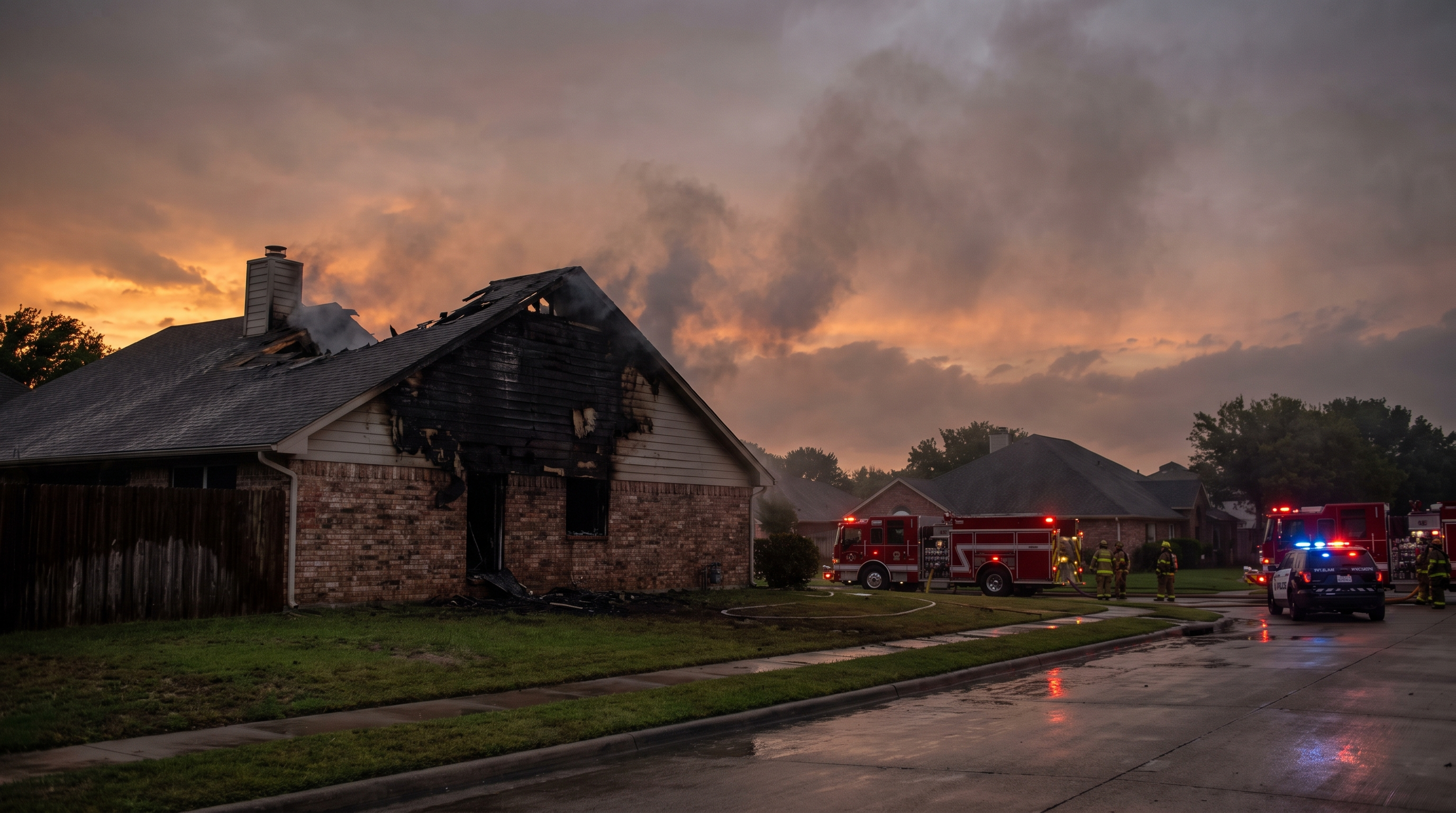
After a fire, the building may sit exposed with broken windows, cut roof vents, damaged doors, or holes made during firefighting. In Irving, a sudden storm can turn that opening into soaked insulation, ceiling collapse, and a larger claim. Board-up and tarping reduce that risk while the full restoration scope gets built.
Emergency stabilization also protects against theft and unauthorized entry. Vacant fire-damaged homes attract attention, and unsecured openings can create liability concerns for the owner. The contractor should secure the structure without covering damage before it gets photographed.
Board-up and tarping are often covered as emergency services under a homeowners policy. Homeowners should call the carrier, keep receipts, and document the condition before and after stabilization. Waiting for the adjuster can expose the property to preventable damage.
Irving Fire Damage Restoration connects you with contractors who can secure windows, doors, roof openings, and damaged walls while preserving the documentation needed for insurance review.
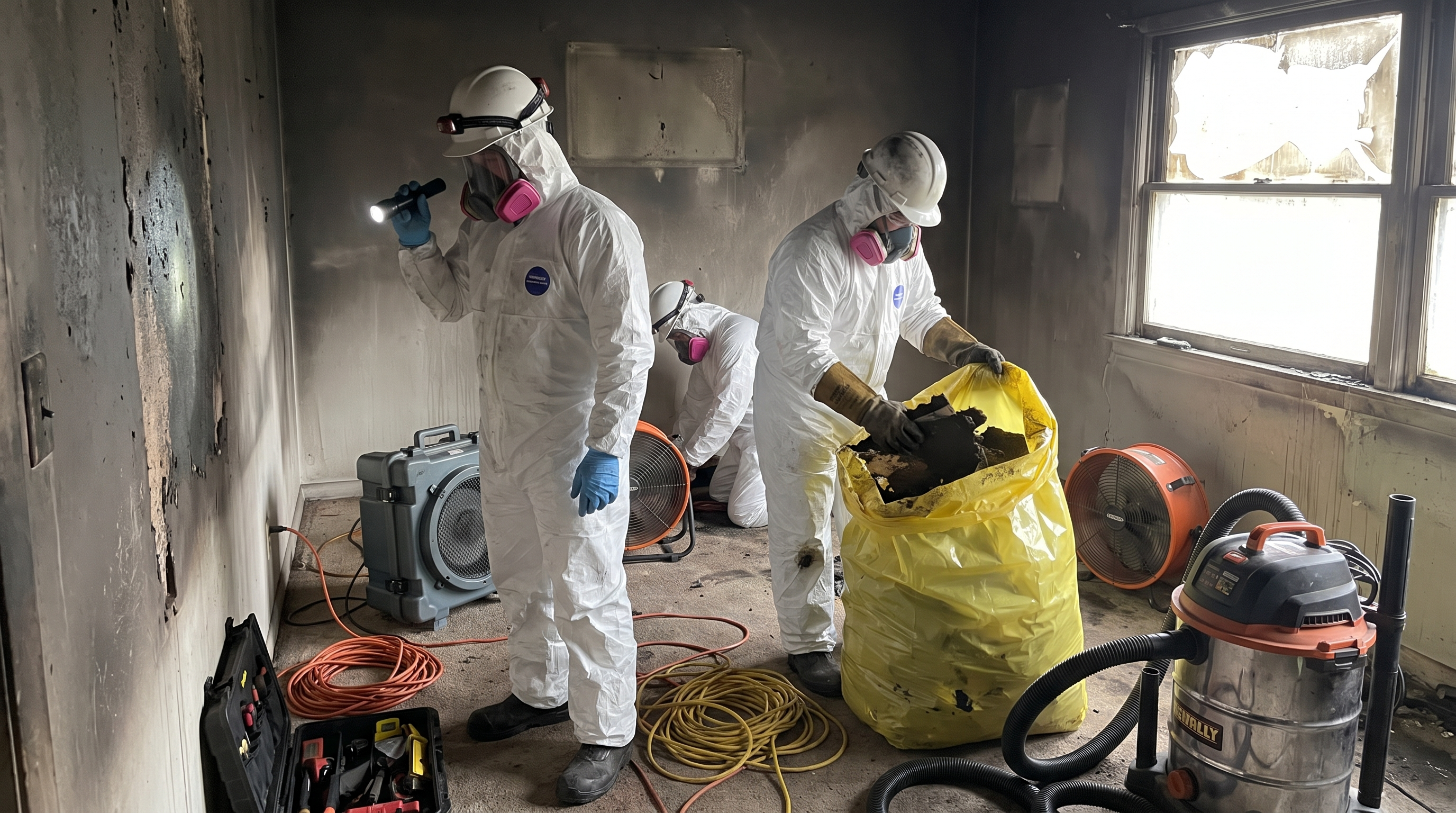
Board-up and tarping stabilize the site so cleanup and inspection can happen without added damage. The contractor should protect the property while keeping the claim record clear.
Crews secure broken windows, damaged doors, garage openings, and exposed entry points with fitted materials. The goal is to keep weather and unauthorized entry out.
Contractors cover roof openings, damaged soffits, and exposed wall areas with tarps or temporary barriers. This limits rain intrusion until permanent repairs can start.
The crew photographs openings, damaged areas, and completed stabilization work. This documentation helps show the emergency need and the steps taken to protect the property.
The property should be secured after the fire department clears it for work. We connect owners with contractors who can protect openings before weather or trespass adds more damage.
Board-up should not hide the story of the fire. Contractors should photograph damage before covering openings and preserve the record for the adjuster.
Secure the property before rain, theft, or open access creates a second problem.
Free — no obligations
The contractor confirms the structure is cleared for emergency stabilization and identifies unsafe areas.
Windows, doors, roof cuts, wall openings, and access points are photographed before work begins.
Crews install boards, tarps, or barriers to reduce weather intrusion and unauthorized entry.
The contractor explains what assessment, drying, cleanup, or repair work should follow.