Irving's Smoke & Soot Cleanup Specialists
Soot cleanup that reaches beyond the burned room
Smoke residue can keep damaging surfaces after the fire is out. Start cleanup with a free estimate.
Irving's Smoke & Soot Cleanup Specialists
Smoke residue can keep damaging surfaces after the fire is out. Start cleanup with a free estimate.
Soot is not household dust. It can be greasy, acidic, protein-based, or dry depending on what burned. In Irving kitchens, garage fires, HVAC events, and electrical fires, soot often lands on ceilings, cabinet faces, metal fixtures, electronics, clothing, and air returns before anyone sees how far it traveled.
Crews need to identify the soot type before wiping surfaces. The wrong cleaner can smear residue into paint, stain stone, or set odor into porous materials. In older homes, smoke can settle in attic insulation and behind wall gaps. In Las Colinas units, smoke can affect shared corridors, neighboring units, and building ventilation if cleanup lags.
Smoke cleanup also has a time factor. Soot can corrode metal, yellow plastics, discolor paint, and leave a film on glass within days. Removing residue, replacing contaminated filters, cleaning ducts when needed, and sealing exposed materials can keep a manageable cleanup from turning into a larger rebuild.
Irving Fire Damage Restoration helps you connect with contractors who handle soot testing, surface cleaning, containment, and deodorization as one coordinated job.
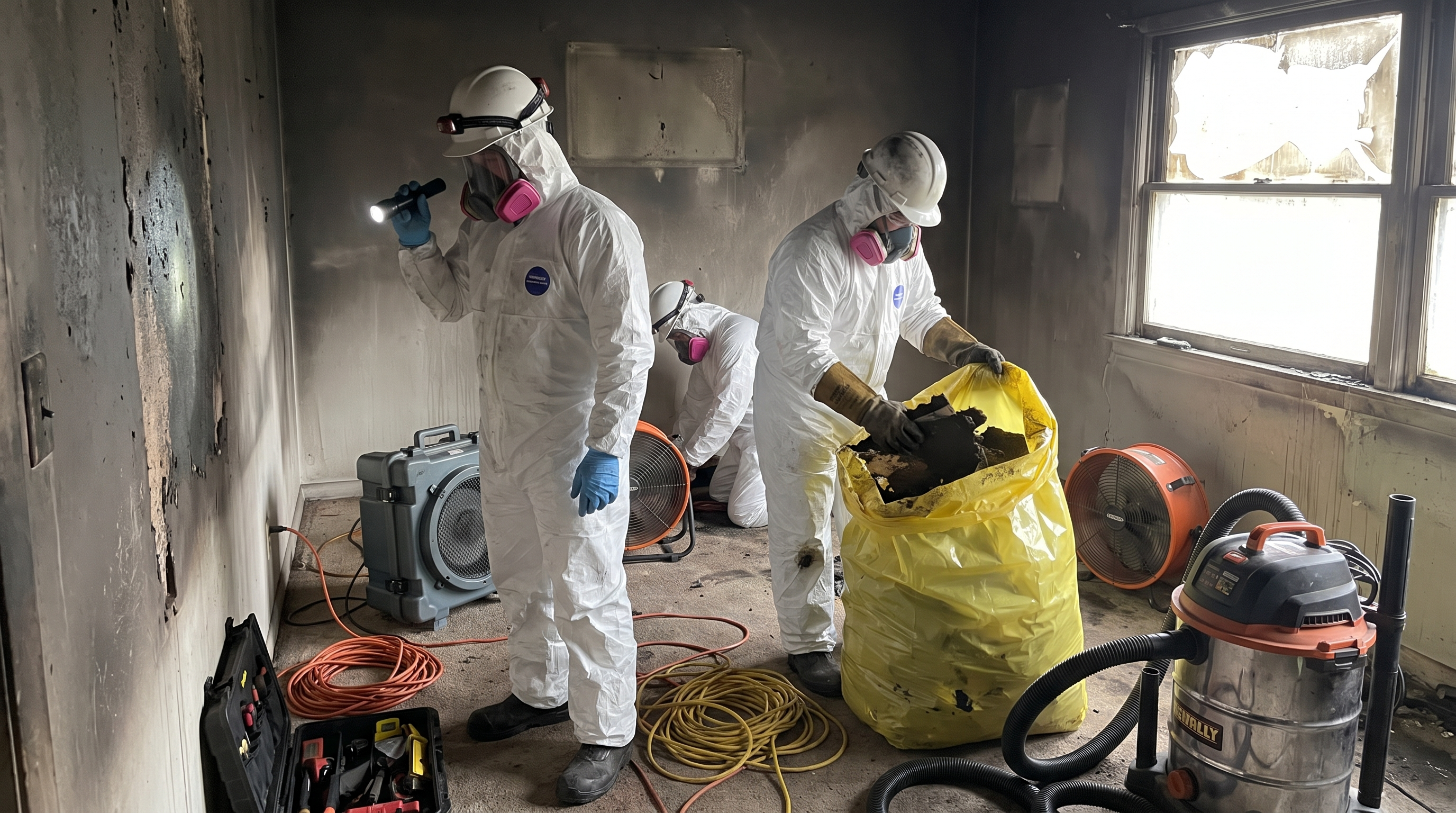
Smoke and soot cleanup combines testing, containment, surface work, and odor planning. The goal is to remove residue without pushing contamination into clean rooms.
Contractors check whether the residue is dry soot, grease-based soot, protein smoke, or a mixed deposit. That choice controls which sponges, detergents, and cleaning steps belong on each surface.
Crews clean ceilings, walls, trim, cabinets, fixtures, counters, and exposed contents with methods matched to the material. They may use HEPA vacuums, dry-cleaning sponges, alkaline cleaners, or specialty products.
Smoke can move through returns, ducts, filters, and attic spaces. Contractors inspect those paths and recommend filter changes, duct cleaning, or isolation when the system moved smoke through the property.
Paint, tile, stone, wood, metal, and electronics do not tolerate the same cleaning method. We help you find contractors who test before cleaning instead of scrubbing first and asking questions later.
Good soot cleanup protects the unaffected parts of the property. Crews should set containment, manage air movement, and separate cleanable contents from items that need disposal or specialty restoration.
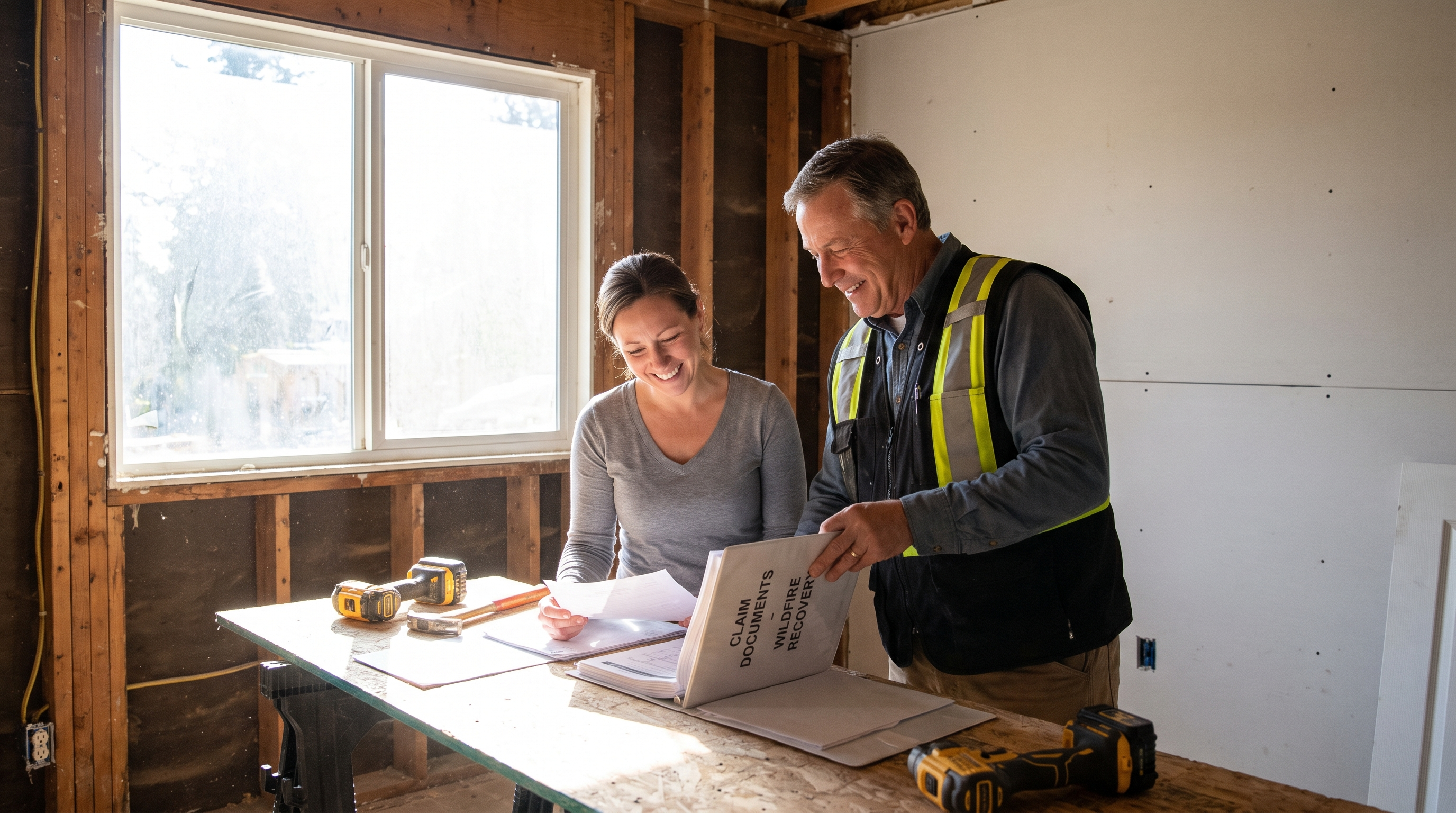
Schedule soot cleanup before residue stains finishes or moves through the air system.
Free — no obligations
The contractor identifies affected rooms, surface types, air paths, and the kind of residue left by the fire.
Crews isolate damaged areas and control air movement so cleaning does not spread residue.
Technicians clean ceilings, walls, floors, fixtures, cabinets, and contents with products matched to the soot and material.
The crew checks hidden surfaces, HVAC filters, closets, and adjacent rooms before odor treatment or repairs begin.